Exploring New Methods in Structured Cabling
Understanding Structured Cabling
Structured cabling is the backbone of modern communication systems, providing a standardized approach to creating a network infrastructure that supports various devices and applications. It consists of a set of cables and hardware that make up the network’s physical infrastructure, ensuring seamless connectivity and communication.
With the growing demand for high-speed data transfer and reliable connectivity, exploring new methods in structured cabling has become essential. Innovations in this field are paving the way for more efficient and sustainable network systems.
Emerging Technologies in Cabling
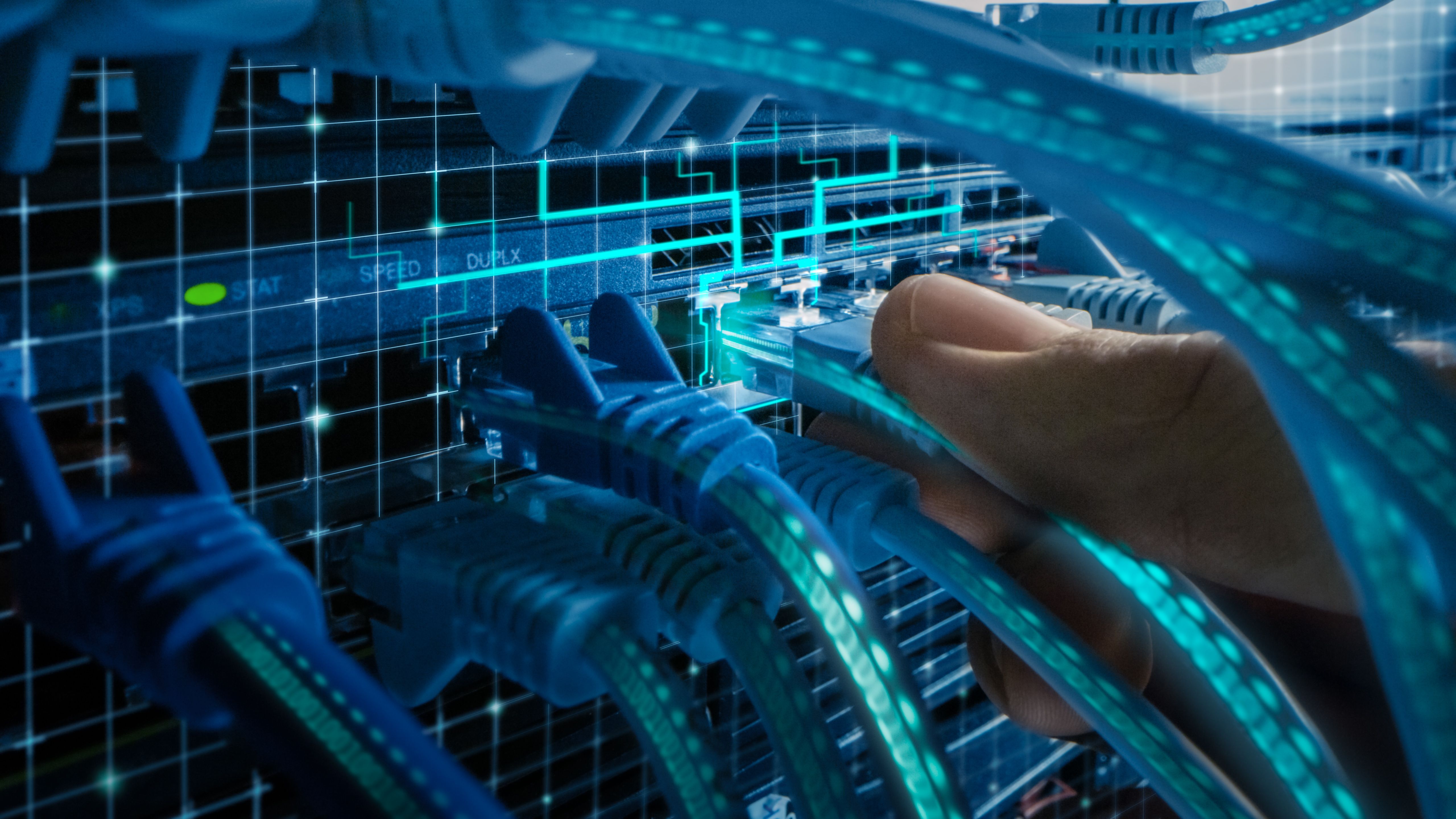
One of the most significant advancements in structured cabling is the integration of fiber optics. Fiber optic cables offer higher bandwidth and faster data transmission compared to traditional copper cables. They are also less susceptible to interference, making them ideal for environments with significant electromagnetic noise.
Another emerging technology is the use of Category 8 cables, which support data rates of up to 25 or 40 Gbps. These cables are designed to meet the demands of modern data centers, offering a robust solution for high-speed connectivity.

Innovative Installation Techniques
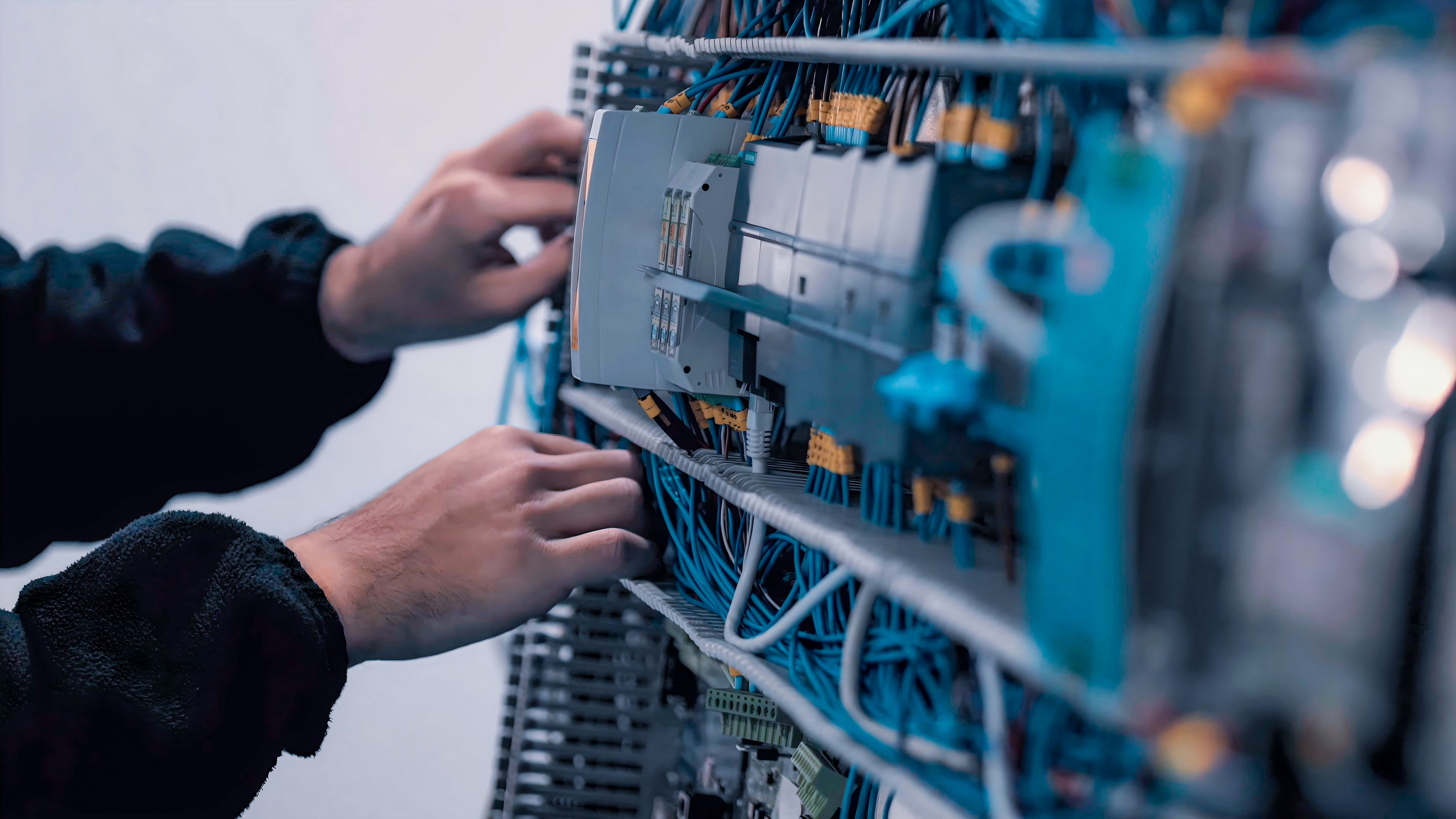
Innovations in installation techniques are also contributing to the evolution of structured cabling. For instance, pre-terminated cabling systems are gaining popularity due to their ease of installation and reduced labor costs. These systems come with connectors already attached, simplifying the setup process.
Additionally, modular plug-and-play systems are enabling quick and flexible deployment of network infrastructure. These systems allow for easy upgrades and reconfigurations, making them ideal for dynamic environments such as offices and data centers.
Sustainability in Structured Cabling
As sustainability becomes a crucial consideration in all industries, structured cabling is no exception. The use of eco-friendly materials and energy-efficient designs is on the rise. Green cabling solutions focus on reducing waste and minimizing environmental impact.
Moreover, intelligent cable management systems are being developed to optimize energy use and improve system efficiency. These systems provide real-time monitoring and control, ensuring that power is used effectively and reducing unnecessary consumption.

The Future of Structured Cabling
The future of structured cabling lies in its ability to adapt to the ever-changing technological landscape. As the Internet of Things (IoT) and smart technologies continue to evolve, cabling infrastructure must keep pace with these advancements. The integration of smart sensors and automated management systems will further enhance the efficiency and reliability of network systems.
By embracing these new methods and technologies, businesses can ensure their network infrastructure is robust, scalable, and future-ready, supporting the demands of an increasingly connected world.